
What a bottle of regional specialty liquor taught me about packaging design: marketing isn't shouting — it's making the right consumers want to choose you, and that's one of the purposes of packaging
A client who makes lily wine asked me at our first meeting: can you make packaging that makes people want to post it on social media the moment they see it? I said yes, but first I have to ask one question:

A client who makes lily wine asked me at our very first meeting: Can you make the packaging so appealing that people want to post it on Moments the moment they see it?
I said yes, but first I have to ask: what makes your wine worth posting about?
He thought about it: It’s lily wine—nourishing, and women love to drink it.
I said, then let’s build everything around those two words, “women.” He asked how. I said don’t rush—let’s first walk through the whole story of this bottle of wine, and once it’s clear, packaging is just the last step.
The lily wine category has a particular trait: it doesn’t have the strong social quality of baijiu, nor does it sell atmosphere like beer. The people who buy it mostly drink it themselves or buy it for the elders in the family. What this group values isn’t “expensive” and “lively”—it’s “nourishing” and “dignified.”
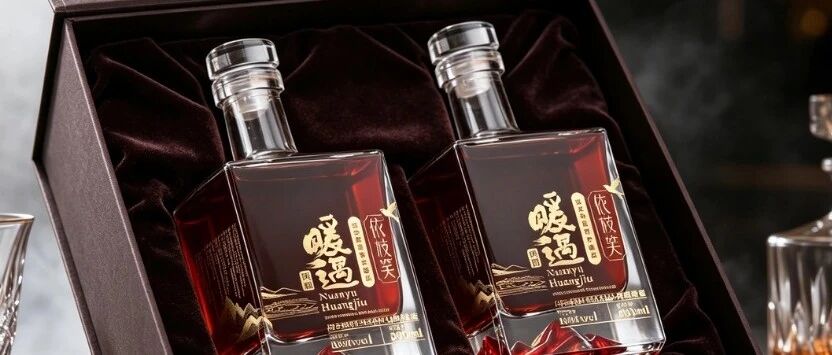
So the packaging should lean toward “elegant simplicity.” A white porcelain bottle—not a glossy, glaring white, but a warm white with a hint of matte, like the texture of porcelain; on the body, a single branch of lily in relief, winding up along the shape of the bottle, not realistic, just faint lines edged in gold foil; the label with plenty of white space and few words, with just the three characters “Lily Wine” on the front and a red seal stamped below.
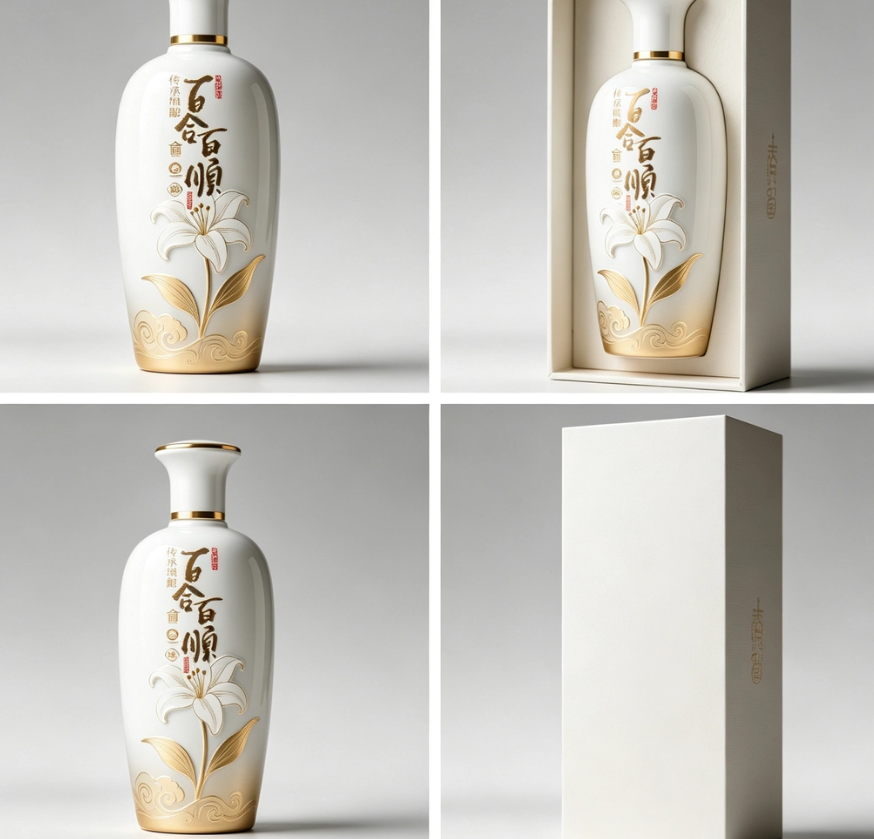
— Gift box opening structure and white porcelain bottle display
After seeing the sample, the client said: Isn’t it too plain? Old Wang next door’s wine is bright red and looks festive.
I said, the Old Wang you’re talking about sells wedding-banquet wine, volume-driven; your wine is for gifting and for drinking at home, and the people who buy it don’t want festivity—they want “it looks comfortable.” A bright red lily wine, placed in front of your target customers, would make their first reaction: “Is this wine blended?”
He had nothing to say, went back and thought about it for two days, then came back and said: Fine, I’ll listen to you—let’s go plain.
Going plain doesn’t mean it’s easy. That branch of lily in relief went through several versions: too three-dimensional and it looked like a plastic flower stuck on; too flat and you couldn’t tell it was a flower. We settled on a medium relief—when light hits it at an angle there’s a shadow, you can feel the rise and fall when you touch it, but it doesn’t dig into your hand. The mouth of the bottle and the rim of the cap are finished with a ring of gold foil, hiding a touch of luxury within the plainness.
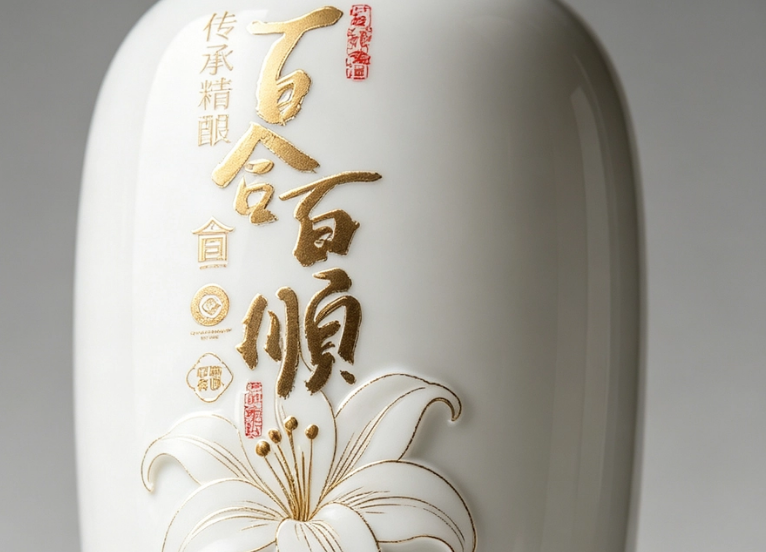
— Close-up of the gold-foil lily relief on the bottle
After finishing this project, I understood one more thing: in marketing, the biggest mistake is treating “hawking” as the whole thing. Handing out flyers, writing copy, shouting three-two-one go in the livestream—these are indeed part of marketing, but they’re the last link. The real work begins before the product is even made—you first have to figure out what the people who buy your product are actually missing.
What lily wine’s customers lack isn’t a bottle of wine—it’s the peace of mind of “wanting to show someone you care, but afraid of buying something unreliable.” The white porcelain bottle, the lily relief, the plain label—all of this design language is really answering the same question: I’m reliable, I’m worthy of your good intentions.
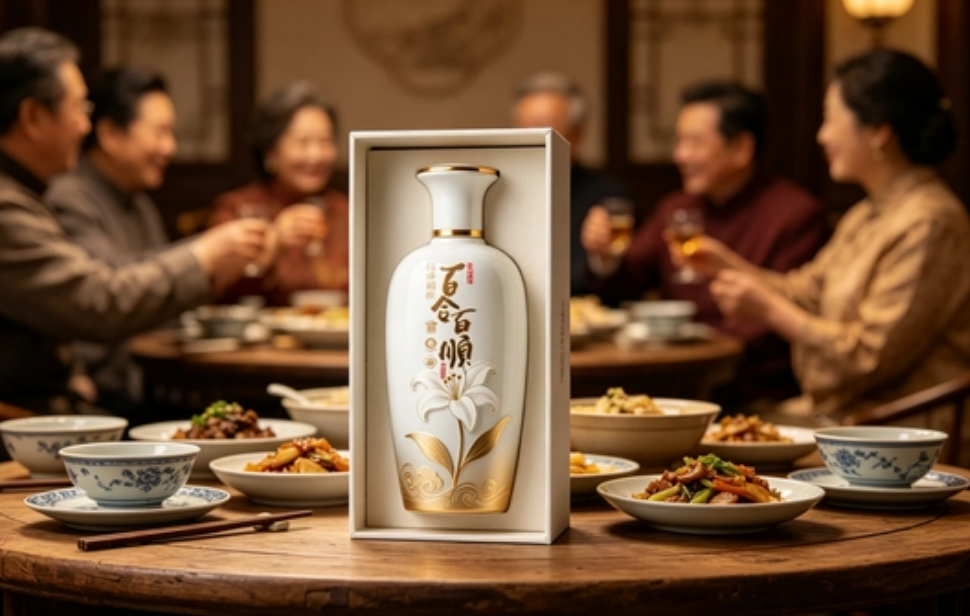
— Real shot of a Chinese banquet gifting scene
One distributor put it in his own words: “This packaging, at a glance, isn’t fooling anyone.” I was pretty happy to hear that.
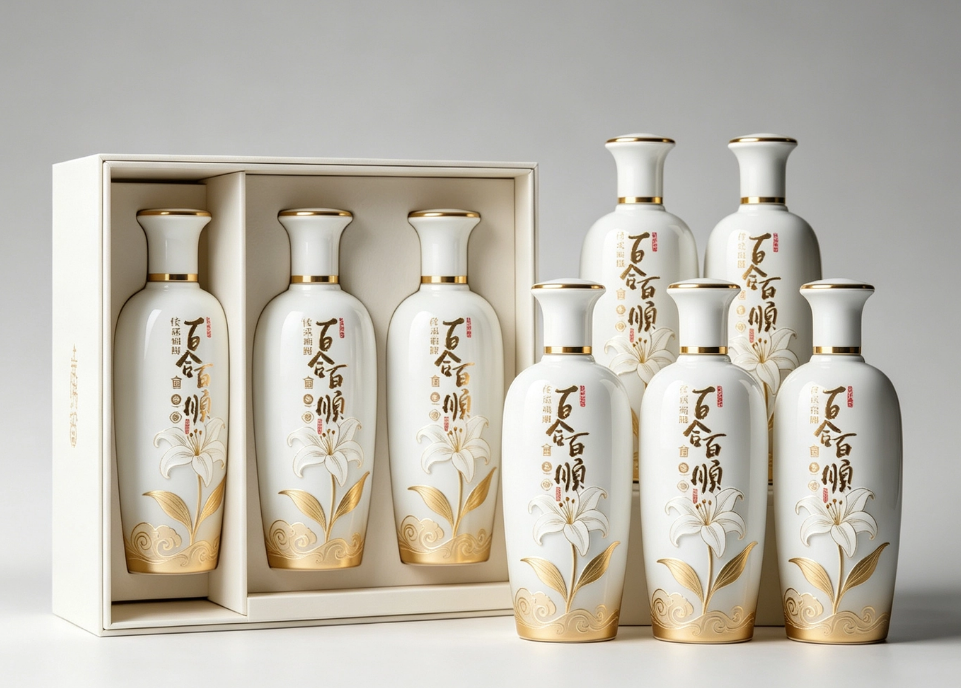
— Real shot of full-case array display
You see, getting someone to spend once isn’t hard; what’s hard is getting them to spend a second and third time, and to be willing to speak well of you. That doesn’t come from packaging—it comes from the product itself delivering, plus packaging that doesn’t hold the product back.
So I often say, the work of packaging design, put small, is making a good-looking skin; put big, it’s helping the product say “what should be said” the right way. Say it to the right people, say it so they believe it, say it so they’re willing to come back.
Get these four things right, and whether the bottle looks good becomes the least of your worries.
Sanyao Packaging
Good packaging speaks.
About This Case: Quick Answers
Are finishes on packaging (foil stamping, matte lamination, etc.) worth it?
Spending a few extra dimes to a dollar per bottle buys you a texture that lights up instantly under the counter lights—and the gut feeling that "this bottle isn't cheap." Finishes aren't about showing off technique; they're money spent to make consumers willing to believe it's worth the price—and that dollar comes back doubled in the selling price.
Can my food product use this "walk through where the liquor comes from" approach too?
Yes. This logic doesn't discriminate by category—as long as your product sits on the shelf looking like everyone else's and consumers can't recognize you in three seconds, it works. When it comes to execution, we'll set a new plan based on your category, channel, and price band rather than forcing someone else's face onto yours.
What do you typically charge for food packaging, and how long does it take?
We charge per project, depending on category complexity, the number of SKUs, and whether prototyping and extensions are included. Typically 2–4 weeks: week one sets direction and positioning, week two delivers concepts, and weeks three and four deepen, prototype, and finalize. Rush timelines can be compressed, but we recommend leaving time for physical prototyping. Send us your materials for a free diagnosis before we quote.
We're based elsewhere—can we work together online?
Yes. Many of our projects are remote collaborations: materials coordinated online, concepts reviewed in the cloud, prototypes shipped by courier—no geographic limits, and we work with clients nationwide.
CommentsBe kind, communicate rationally