
Everyone's getting crushed by price wars and losing hope—how do you break out of this cycle and avoid being undercut by competitors until you have no friends left?
The biggest enemy of a cultural category isn't a lack of heritage—it's a lack of a moat. Using the Biluochun case, this article breaks down the logic of "public origin, exclusive symbol": turn culture into a visual hammer that can't be copied, so consumers recognize you rather than a cheap knockoff—and only then can you hold your premium.
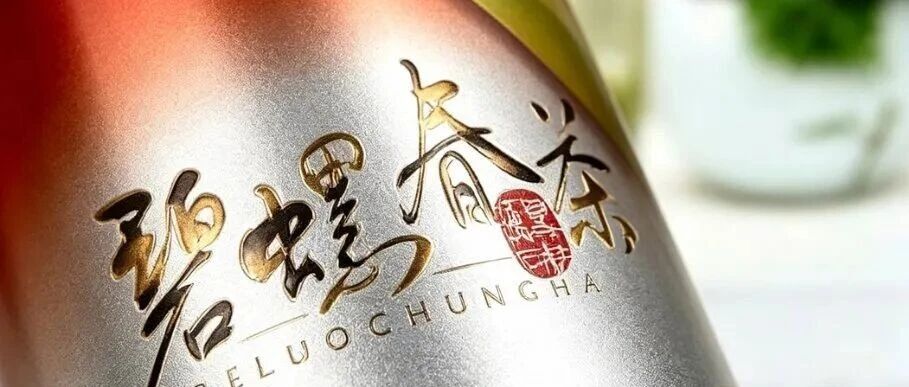
YISANYAO · Strategy & Design
Sanyao Strategy & Design
Packaging determines perceived pricing · Your product deserves to be seen properly
I’ve been busy through National Day, and busy these past few days too, so I haven’t updated. Today I’m taking a moment to talk about something interesting. A rather frustrated tea plantation owner told me: I’ve got this mountain plot, genuinely good tea, but the moment I go on e-commerce, those nine-yuan-nine-free-shipping “Biluochun” beat me to death.
This is a fairly common phenomenon right now.
The worst way for this category to die isn’t a lack of heritage—it’s that the heritage is “public.” You talk about pre-Qingming picking, about the mountain plot, and competitors can say the exact same thing. Every word you say, your competitors can copy verbatim and then sell for half the price. It’s like this: you’re sitting on a gold mine with no wall around it, and anyone can come take a shovel.
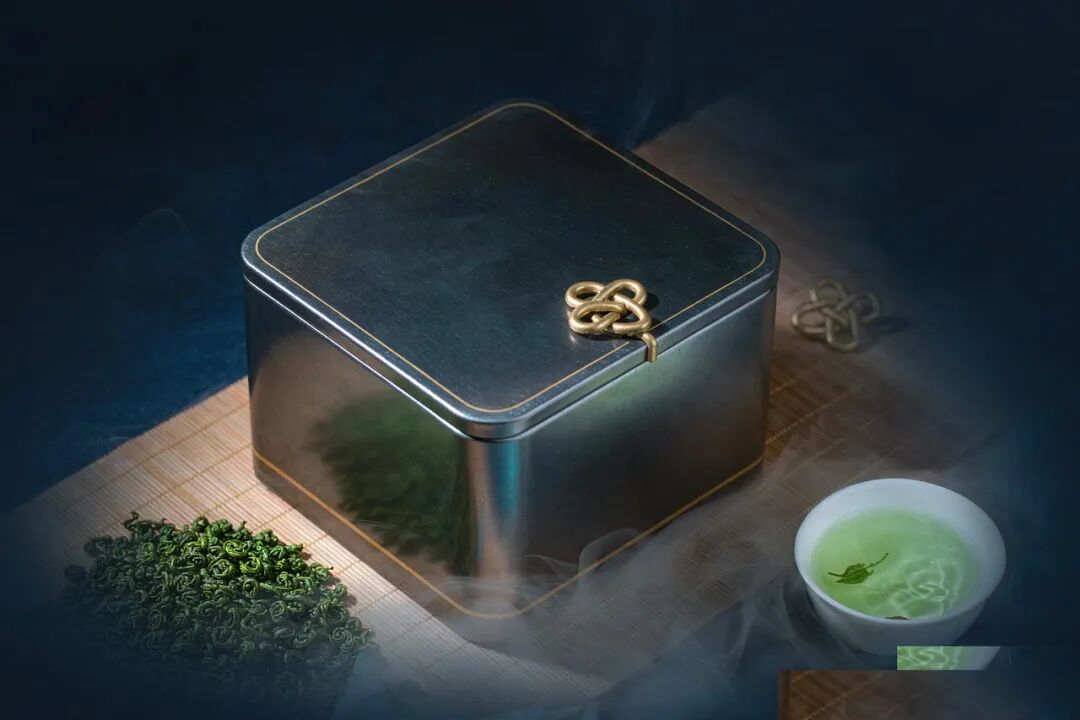
Green tea packaging · AI concept mockup
What Biluochun got right is that it didn’t put all its chips on the “origin story”—it built one. Anyone can talk about origin, but that instantly memorable mark, that exclusive vessel shape and pattern, is its own. When consumers see the symbol, they recognize “this brand,” not the “Biluochun” category. Give me
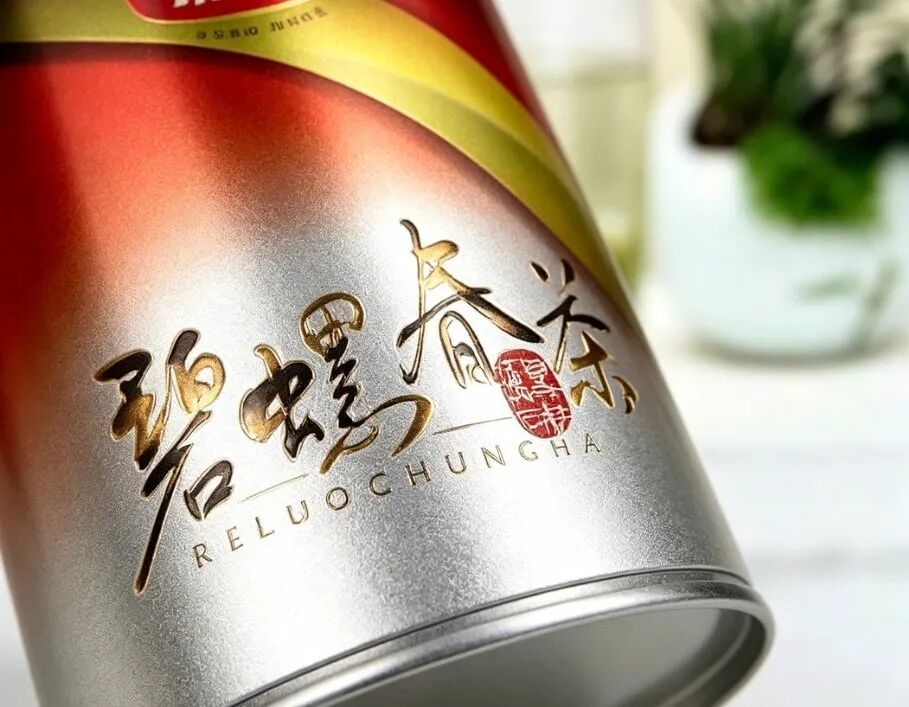
Sanyao design case · Qinfu Tea House Biluochun (gold-foil calligraphy)
Here’s a lesson everyone should learn from: printing a hundred pages of a culture handbook is worth less than one memory hook no one else can copy. Biluochun turned “culture” from an instruction manual into a recognizable asset—and with that, no matter how low competitors price, they can’t steal the people who recognize you.
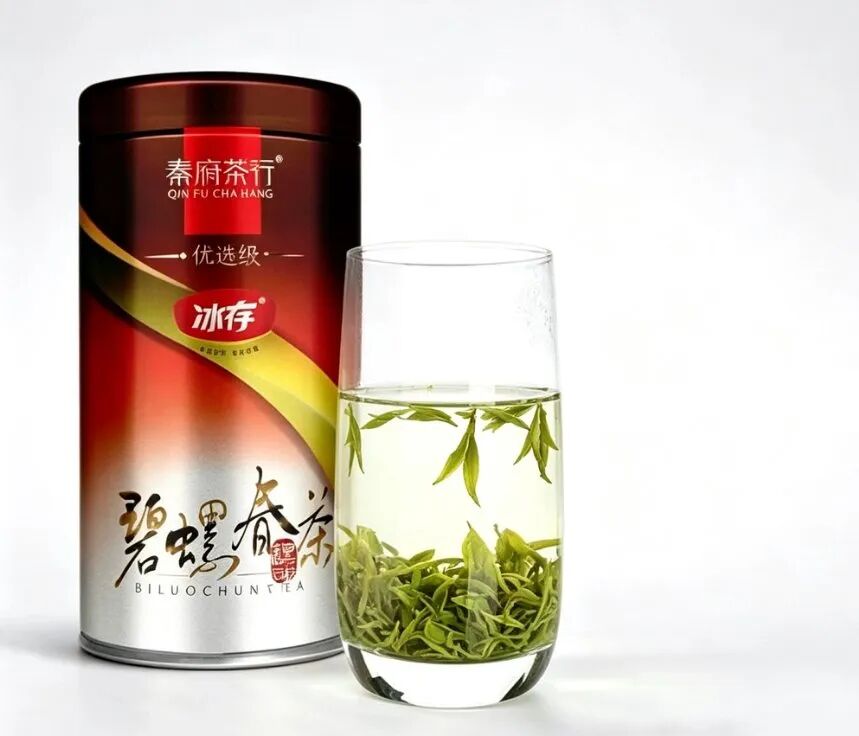
Sanyao design case · Qinfu Tea House Biluochun tea canister
Going further. The essence of premium pricing in this category is. Consumers don’t pay for generic culture—they pay for that symbol that “only you can offer.” Hold the symbol, and you hold the price.
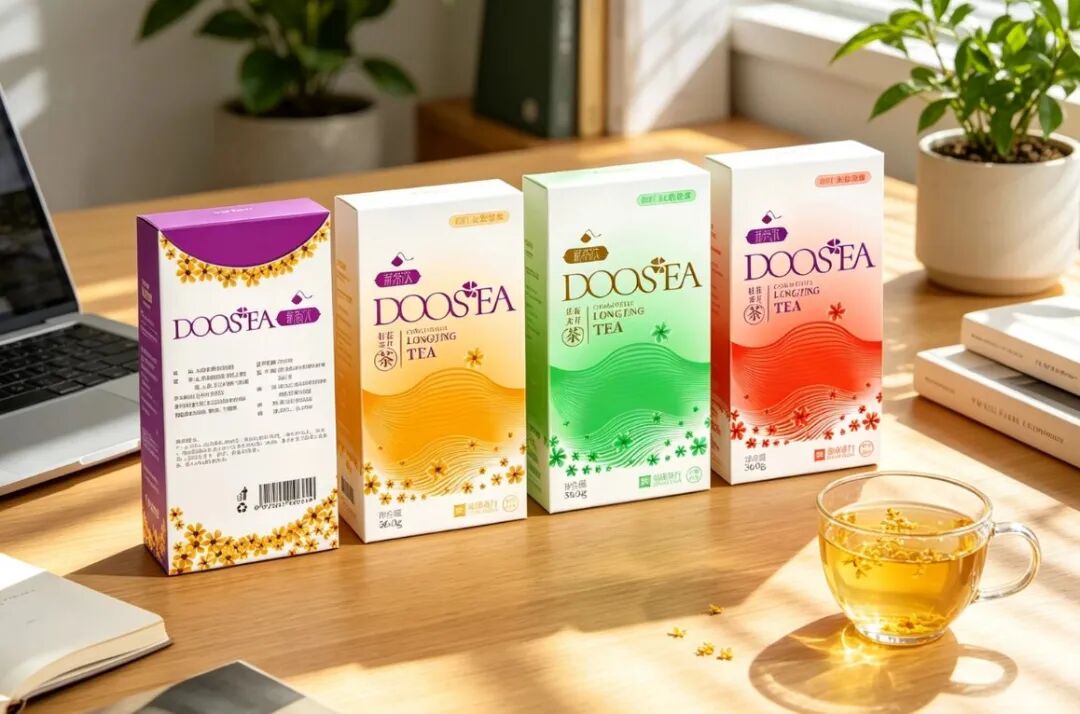
Sanyao design case · DOOSEA floral tea series packaging
So cultural-category owners, stop talking only about origin. Origin is public; the symbol is yours.
Many owners think deep culture means you can sell at a high price. What actually lets you sell high is consumers recognizing “you” rather than the “category.”
If you covered up the text, would your tea still be recognizable at a glance?
If not, then your heritage is being copied for free by your competitors.
Sanyao Strategy & Design
Years of packaging strategy · Wuhu, Anhui
Packaging determines perceived pricing—your product deserves to be seen properly
About This Case: Quick Answers
How do tea gift boxes avoid looking the same as competitors?
Origin is public—anyone can talk about pre-Qingming picking or the mountain plot, and every word you say can be copied verbatim and sold for half the price. What you can actually hold onto is "public origin, exclusive symbol"—an instantly memorable mark, a set of exclusive vessel shapes and patterns. Consumers recognize "this brand," not "Biluochun."
How should a cultural category build its moat?
Turn culture into a visual hammer that can't be copied. Cultural heritage itself isn't a barrier, because anyone can tell the story; but a recognizable symbol is a barrier—it lets consumers pick you out among countless similar products instead of comparing you to cheap knockoffs on price.
Facing the low-price shock of nine-yuan-nine-free-shipping, how do you defend a premium position?
Don't compete on value-for-money against low prices—instead, make crystal clear "why you're worth this price." When the origin story stops working, bring out the symbol: an exclusive visual hammer makes consumers recognize you, and those who recognize you will naturally buy within your pricing system.
CommentsBe kind, communicate rationally