
The Hardest Part of Health Drinks Isn't Efficacy—It's Getting Consumers to "Believe"
The biggest pitfall in the health category isn't that the product doesn't work—it's that consumers don't believe it. Using the Kagong Jinshuai apple cider vinegar case, this article breaks down how "trust signals" can grow out of packaging: boast less about functions, create more authenticity, and let buyers feel that their money is well spent. Only then can a premium price be justified.
YISANYAO · Strategy & Design
Sanyao Strategy & Design
Packaging determines perceived pricing · Your product deserves to be seen properly
Many bosses in the health drink business have almost all fallen into the same trap: they wish they could print “lower blood lipids, cut grease, aid digestion” all over the bottle, thinking that more claims mean more professionalism.
And the result? Consumers take one glance, and what pops into their mind isn’t “useful”—it’s “scam.”
The most dangerous thing in the health category isn’t that your efficacy is insufficient—it’s. Because these products inherently carry the original sin of “exaggerated claims,” consumers are extremely defensive. The louder you shout, the further they retreat.

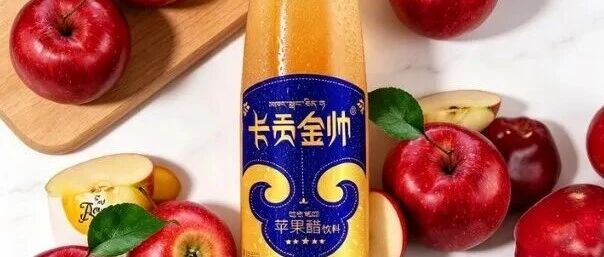
Apple cider vinegar packaging · AI effect illustration
What Kagong Jinshuai got right is that it didn’t compete on “how useful I am,” but first solved “why should you believe me.” It broke trust down into visible details: authentic ingredient presentation, restrained claims, traceable origin symbols. It doesn’t shout “cures all diseases”; it lets you see for yourself that “this stuff is reliable.”
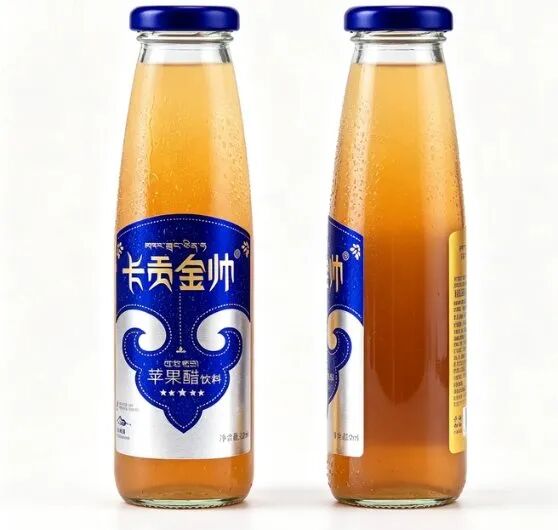
Sanyao design case · Kagong Jinshuai apple cider vinegar
Here’s a knowledge point that every health category boss should learn from: Anyone can print the words “0 additives,” but why should consumers believe you? You need a chain of evidence—what the ingredients look like, which land they come from, whether the process can withstand questioning. Kagong turned these into visible elements on the packaging, and trust was established.
Let’s go one layer deeper. The premium in the health category is essentially. What consumers pay extra for is “this money isn’t wasted, no pitfalls.” Kagong went all out on “authenticity,” so buyers are willing to pay more for that peace of mind. Conversely, the more aggressively you boast, the more they feel you’re harvesting an IQ tax.
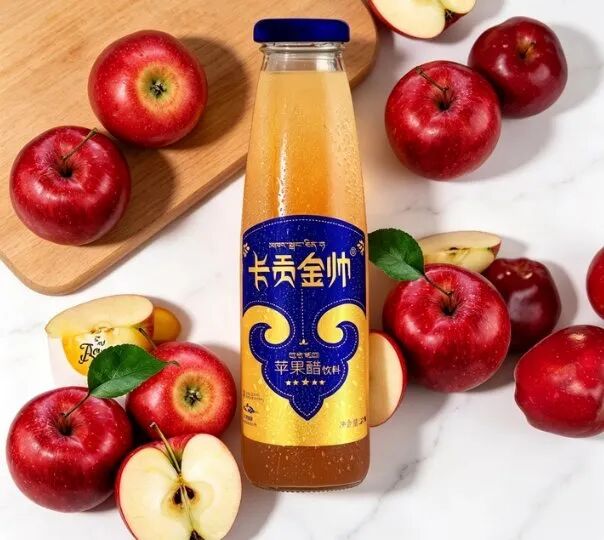
Sanyao design case · Kagong Jinshuai apple cider vinegar ingredient scene
So health category bosses, first replace the effort of “boasting” with the details of “proof.”
Many bosses think that health products compete on how much efficacy they claim. What really competes is whether consumers are willing to believe your statement.
If you cover up those efficacy words, does your bottle still look like something that “really works”?
If it still looks that way even when covered, then your premium can hold.
Sanyao Strategy & Design
Years of packaging strategy · Wuhu, Anhui
Packaging determines perceived pricing—your product deserves to be seen properly
About This Case: Quick Answers
Should health drink packaging include more efficacy claims?
On the contrary. These products inherently carry the original sin of "exaggerated claims," and consumers are extremely defensive. The louder you shout, the further they retreat. Boast less about functions, create more authenticity, and let buyers see for themselves that the money is well spent—only then can trust be established.
What do "trust signals" actually look like on packaging?
Three actionable details: authentic ingredient presentation, restrained claims, and traceable origin symbols. They don't add a single word of "cures all diseases," but they lead people to conclude on their own that "this stuff is reliable"—trust grows, it isn't shouted.
Why do products with effective functions sell poorly?
Because consumers don't believe them. Disbelief isn't a matter of efficacy; it's been hurt by overpromising. Packaging needs to break trust down into visible details, translating "effective" into "trustworthy." Only when this step is done right can a premium be justified.


CommentsBe kind, communicate rationally