
How Do You Get Something as Uncool as Soy Milk Into a Convenience Store Cooler?
The biggest problem with traditional categories is being seen by young people as "what my dad drinks." Using the fresh-ground soy milk case, this article breaks down the key to rejuvenating an old category: it's not about changing the flavor, it's about changing the persona—translating nostalgia into contemporary language so young people feel "this is so me," and only then does a premium hold up.

YISANYAO · Strategy & Design
Sanyao Strategy & Design
Packaging determines perceived pricing · Your product deserves to be seen properly
A soy milk boss once complained to me: I grind my beans fresh, zero additives, ten times healthier than milk tea, but young people won’t even give it a proper look—they all run off to buy milk tea.
I asked: In the eyes of young people, what is your soy milk?
He thought about it: Breakfast, I guess. What my dad’s generation drinks.
I said: Then you’re done for. Once you get slapped with the “what my dad drinks” label, young people won’t touch it no matter how thirsty they are—it’s not that it tastes bad, it’s that “it’s got nothing to do with me.”
The most tragic way for a traditional category to die isn’t an old product, it’s. No matter how good the craft you’re guarding, if you never tell the story anew, you’ll stay forever on the “previous generation” shelf.

Soy milk packaging · AI mockup
What fresh-ground soy milk got right is that it didn’t force a flavor change to please young people—it retold “old” one more time. It translated the old value of “fresh-ground, real ingredients” into a language young people understand—an attitude, not a nostalgia. What it sells isn’t “grandma’s taste,” it’s “I chose a more real life.”
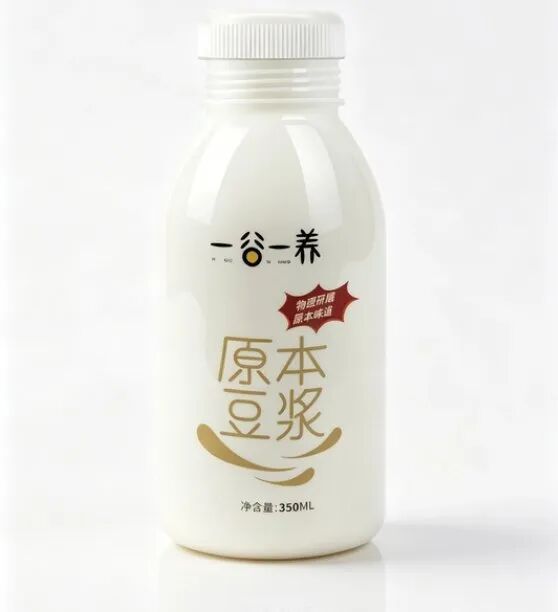
Sanyao design case · Yigu Yiyang fresh-ground soy milk
Here’s a takeaway every traditional-category boss should copy: painting it pink doesn’t work—you have to make young people feel “this thing represents me.” What’s smart about fresh-ground is that it doesn’t occupy the “breakfast” occasion, it occupies the self-expression of “I have standards for my life.” With that, soy milk goes from uncool to cool.
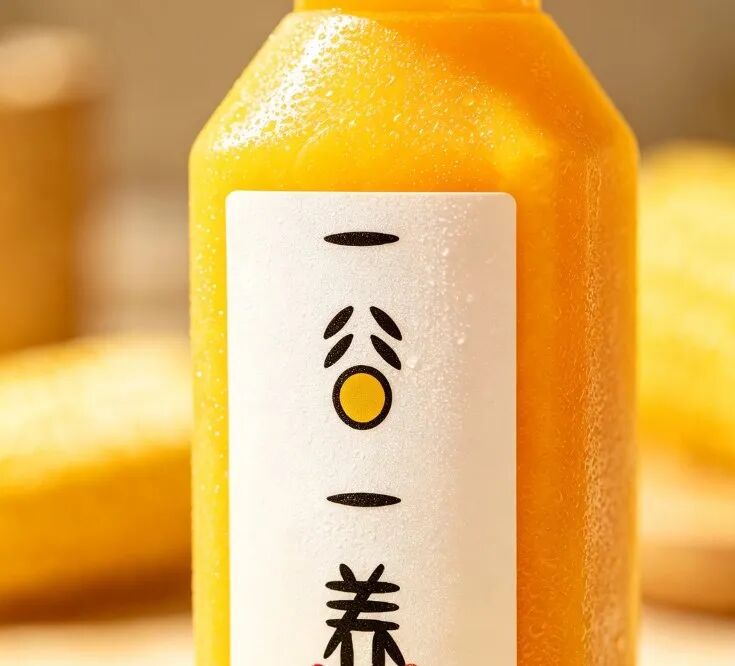
Sanyao design case · Yigu Yiyang corn juice (same series)
Go a layer deeper. The essence of a traditional-category premium is. Milk tea doesn’t sell sugar, it sells social currency. Fresh-ground turns “real” into a shareable attitude, and young people are willing to pay more for that sense of belonging. On the flip side, if all you do is shout “handed down through ancient methods,” they’ll roll their eyes and scroll away.
So traditional-category bosses, don’t resign yourselves to “old things should be cheap.” Cheap is just because you haven’t retold the story.
Many bosses think traditional categories compete on flavor and sentiment. What they really compete on is whether young people are willing to feel “this is so me.”
If you cover up the line “handed down through ancient methods,” does your product still look like something young people would pick up on their own?
If it still does even with that covered, then your comeback has only just begun.
Sanyao Strategy & Design
Years of packaging strategy · Wuhu, Anhui
Packaging determines perceived pricing—your product deserves to be seen properly
About This Case: Quick Answers
Can an old category like soy milk still command a premium?
Yes. The problem with old categories isn't that the product is bad, it's that it hasn't been retold. Fresh-ground soy milk takes the path of "translating old value into contemporary language"—it doesn't force a flavor change to please young people, it swaps in a new persona so young people feel "this is so me," and the premium naturally holds up.
For rejuvenating a traditional category, what exactly should you change?
Change the persona, not the flavor. If the flavor is right but the persona hasn't changed, consumers will still position you as "what my dad drinks." Once you're labeled as the previous generation, young consumers won't touch it no matter how thirsty they are—it's not that it tastes bad, it's that it's got nothing to do with me.
How do you get an old brand back into young people's field of view?
Start from "nostalgia" but don't just retell nostalgia. Turn it into a choice of present-day attitude: not "grandma's taste," but "I chose a more real life." Translate the selling point into plain human language, and unify the visuals into something this generation is willing to hold in their hands.

CommentsBe kind, communicate rationally