
Food and Beverage Packaging Bosses: Avoid These Six Pitfalls and Business Will Be Easier!
Sanyao: Naming and writing ad copy isn't about showing off cleverness—it's the moment to translate product strength into plain human language.
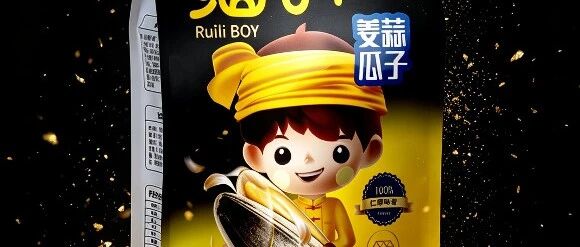
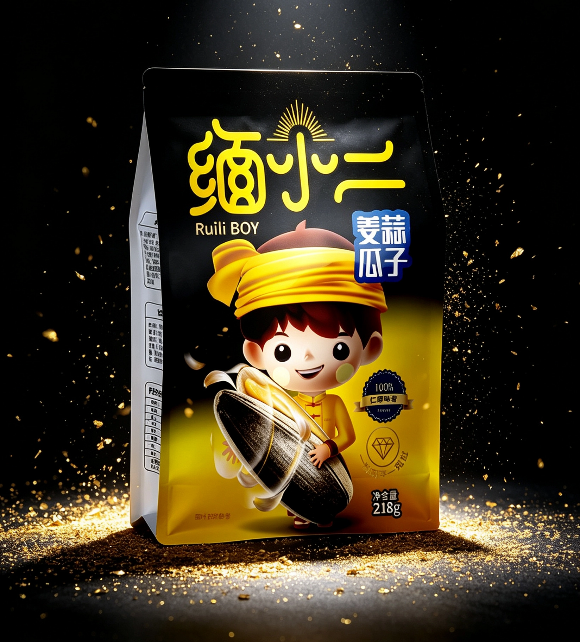
I’ve been in this business for years, and what I dread most is a boss bringing me a stack of proposals to “beautify,” only to find they’re all “chicken can’t be missed” and “can’t wait to crack.” Every time, I feel anxious for them—your product is clearly good, but wrapped in this pun, it seems less serious. Naming and writing ad copy isn’t an occasion to show off cleverness; it’s the moment to translate product strength into plain human language. Over the years, I’ve set a few rules for bosses, each one learned from stumbling into pitfalls.
“This article is about 700 words, about two minutes to read. Today, no news—just the pitfalls every product boss has stepped into: the six rules I repeatedly emphasize when naming and writing ad copy. Let’s take a sunflower seed case we did and break it down for you.
The thing you should avoid most is puns. Puns seem clever but actually consume the customer’s cognitive cost. Standing in front of the shelf for three seconds, you make them first guess ‘oh, this is ‘can’t wait to crack’ meaning ‘urgent’—by the time they figure it out, they’re gone. Just say who you are and what you do directly. Mian Xiao Er Ginger Garlic Sunflower Seeds—seven characters explain both the person and the product, no beating around the bush.
Second, don’t exaggerate performance to the skies. Phrases like “fragrance wafts ten miles” and “each kernel selected” have been heard eight hundred times; customers automatically tune them out. Professional benefits should be explained in plain language. Why is your sunflower seed worth buying? On the packaging, write “thick and plump kernels”—four characters that ordinary people understand and trust, no need to add “number one in the world.”
Third, don’t list a basketful of selling points. The front has just one big-headed doll holding a sunflower seed, the product name, flavor, and net weight—nothing else. If one sentence can clarify it, don’t write a page. Customers don’t have time to read your essay.
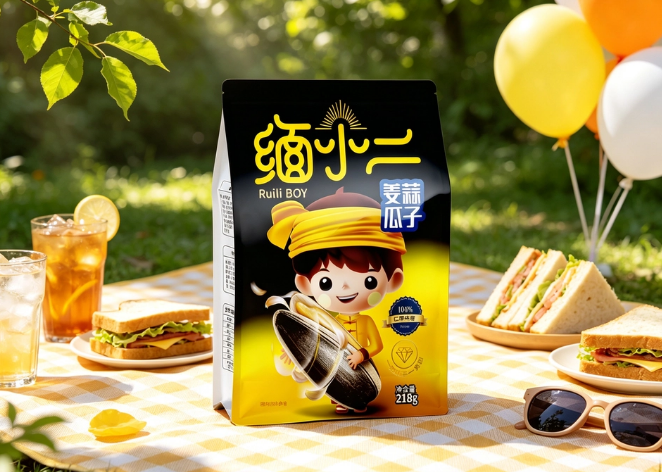
Mian Xiao Er Ginger Garlic Sunflower Seeds scene
Fourth, replace adjectives with numbers. “Delicious” and “premium” are empty words that apply to anyone. Replace with concrete facts: 218 grams, 100% thick and plump kernels—once these words are placed, trust grows on its own; you don’t need to shout.
Fifth, don’t copy secondhand copy. “Traditional craft” and “classic taste” are common in sunflower seed bags and fit anyone—meaning they say nothing. The little boy in ethnic clothing holding a big sunflower seed from Mian Xiao Er is something others can’t copy; that’s what unique means.
Sixth, don’t repeat what everyone knows. “Crispy” and “tasty” are shouted by everyone; shouting them is as good as not shouting. Tell what’s new about you—ginger garlic flavor is where you differ from others; only then will customers be willing to pick it up and try.
Now traffic is more precious than gold, and customer patience is measured in seconds. Keep these rules, and your product won’t lose at the shelf; leave the rest to the product itself—packaging is responsible for getting people to choose, quality is responsible for getting them to come back. Repeat purchases are the lifeblood of survival in this era, and they’ve never been sustained by a pretty ad slogan.
This article’s text and images are solely for showcasing Sanyao Planning & Design’s creative cases; the brands and products mentioned belong to their respective clients.
About This Case: Quick Answers
Can puns be used in naming?
The thing you should avoid most is puns. They seem clever but actually consume the customer's cognitive cost—in the three seconds at the shelf, you make them first guess 'oh, this is 'can't wait to crack' meaning 'urgent'—by the time they figure it out, they're gone. It's best to directly say who you are and what you do.
How many selling points should be written on the packaging?
The front has just one main subject, product name, flavor, and net weight—nothing else. If one sentence can clarify it, don't write a page; customers don't have time to read your essay. Listing a basketful of selling points actually means no selling points.
How should adjectives and facts be used on packaging?
Replace adjectives with numbers. "Delicious" and "premium" are empty and apply to anyone; replace with concrete facts—218 grams, 100% thick and plump kernels—trust grows on its own; you don't need to shout.
CommentsBe kind, communicate rationally