
Today I came across a fascinating idea — a brilliant one, actually. He said the endgame of making money is collecting rent. And for a business, packaging is the brand's "rent."
Have you ever done this math: in your business, how much money keeps coming in "while you sleep"?
Author: Sanyao Packaging | 5 min read
Have you ever done this math: in your business, how much money keeps coming in “even while you sleep”?
Store owners know it: the moment you close the door, rent is still due, salaries are still paid, and not a single cent comes in. Salespeople know it: if you don’t hustle this month, there’s no commission next month. The ceiling for most businesses is “no hands, no income.”
But some businesses aren’t like that. Landlords aren’t. Copyrights aren’t. And a brand that gets bought again and again isn’t either.
01
Selling time has a ceiling; collecting rent doesn’t
The endpoint of doing business is packaging your knowledge, your product, and your reputation into an asset that can generate returns again and again. The value of an asset is this: it doesn’t need you to be present every moment—it can “collect rent” on its own.
Packaging is the least conspicuous part of that asset, yet the part that most often collects rent.
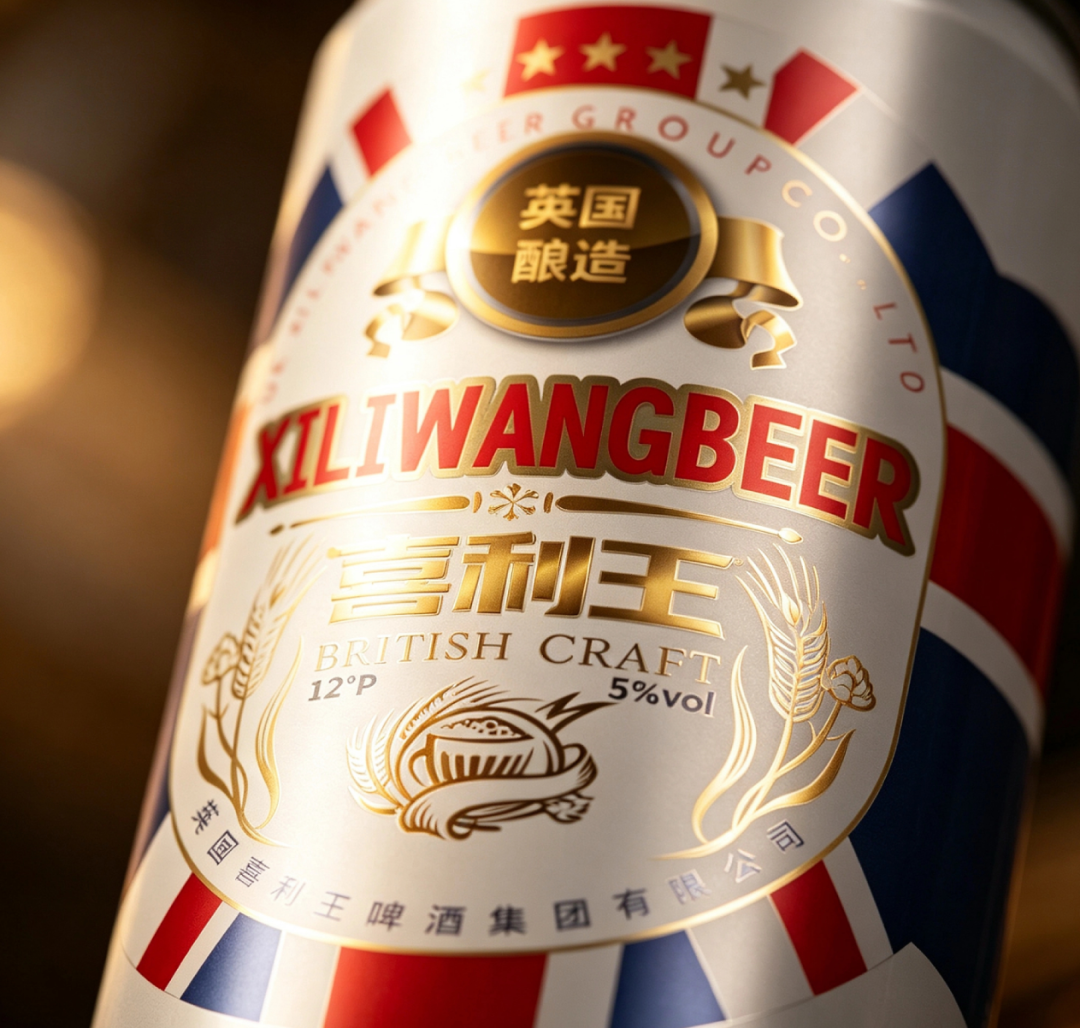
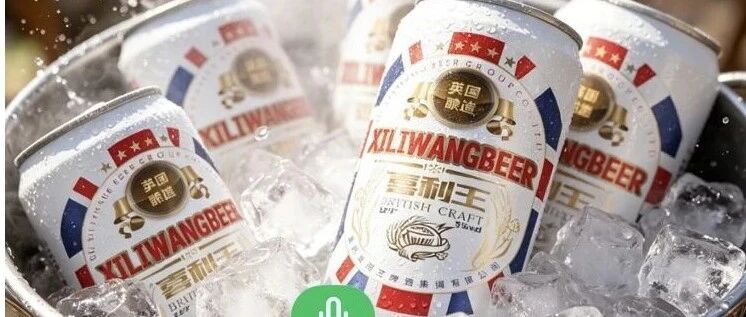
— Xiliwang Beer — English-pattern can body
We designed a can for a craft beer. The client was a young craft brewer with a limited budget, but he insisted on getting the can right, for a very simple reason: once the can is printed and sitting on the shelf, it’s advertising for him every day. When he’s not in the store, the can collects the rent of “being seen” for him; when he launches a new flavor, the old can collects the rent of “trust” for him.
02
One investment can keep collecting
rent over time
With packaging, the upfront investment is one-time, but the returns are long-term. Once a version of the can is printed, as long as the product is still selling, it’s working for you on the shelf. Today’s consumers may not remember the ad slogan, but they remember what that bottle looks like.
I once advised a client to save money, saying packaging just needs to be usable. Later, a veteran in the baijiu business corrected me: usable and well-designed are far apart. Usable means it holds the liquor; well-designed means the bottle speaks up on the shelf on its own. The little bit of money you save is traded for dozens of future “rent collections.” This point is really interesting, and it makes a lot of sense.
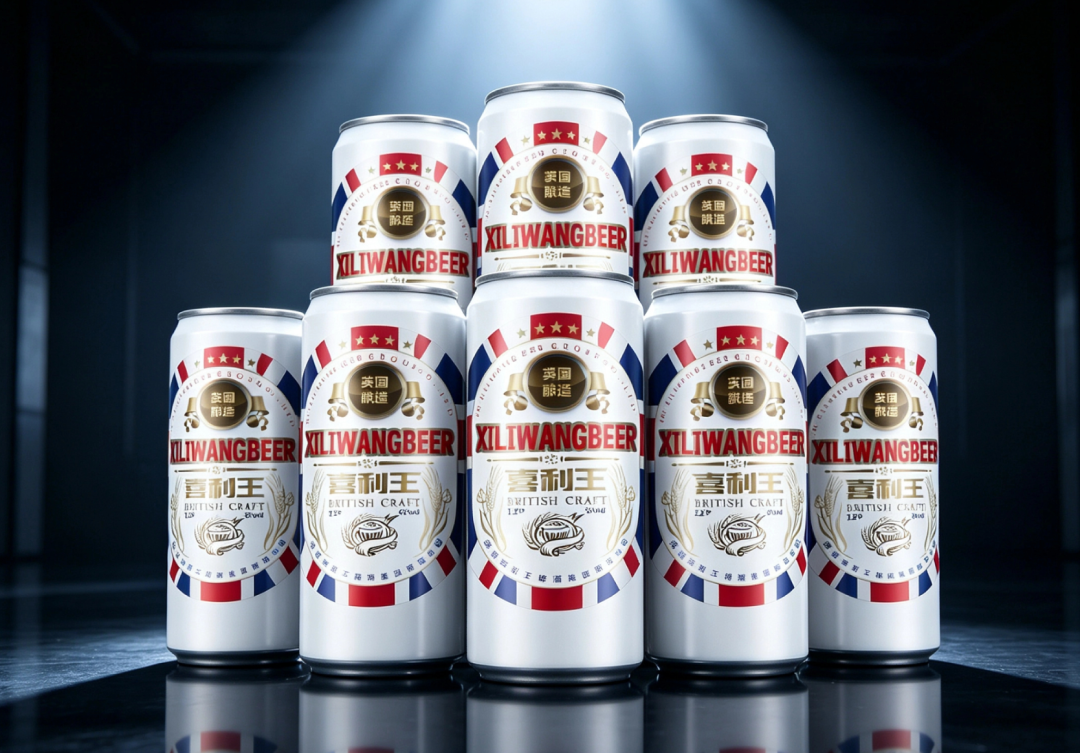
— Xiliwang Beer — can label detail
03
To collect rent for a long time, you need a “property-rights mindset”
Many brands change face as they go: one style of packaging this season, another next season. Consumers just start to remember you, and you’ve changed again. That’s like tearing down a house you’ve already rented out and rebuilding it—all the rent is gone.
A true rent-collecting asset grows more valuable the more it’s used: the same visual symbol appears again and again, consumers’ memory of you keeps deepening, and this trust of “I recognize it” is the most stable source of rent for a brand.
04
Plant the tree first, then enjoy the shade
Collecting rent requires planting the tree first. Whether this packaging “rent” can be collected for a long time depends on whether you planted carefully up front: did you think through the visual symbol, did you stick with it, did you make every appearance accumulate?
Planting the tree is the hardest part, because you can’t see any money coming back. But once the tree grows, it bears fruit even while you sleep.
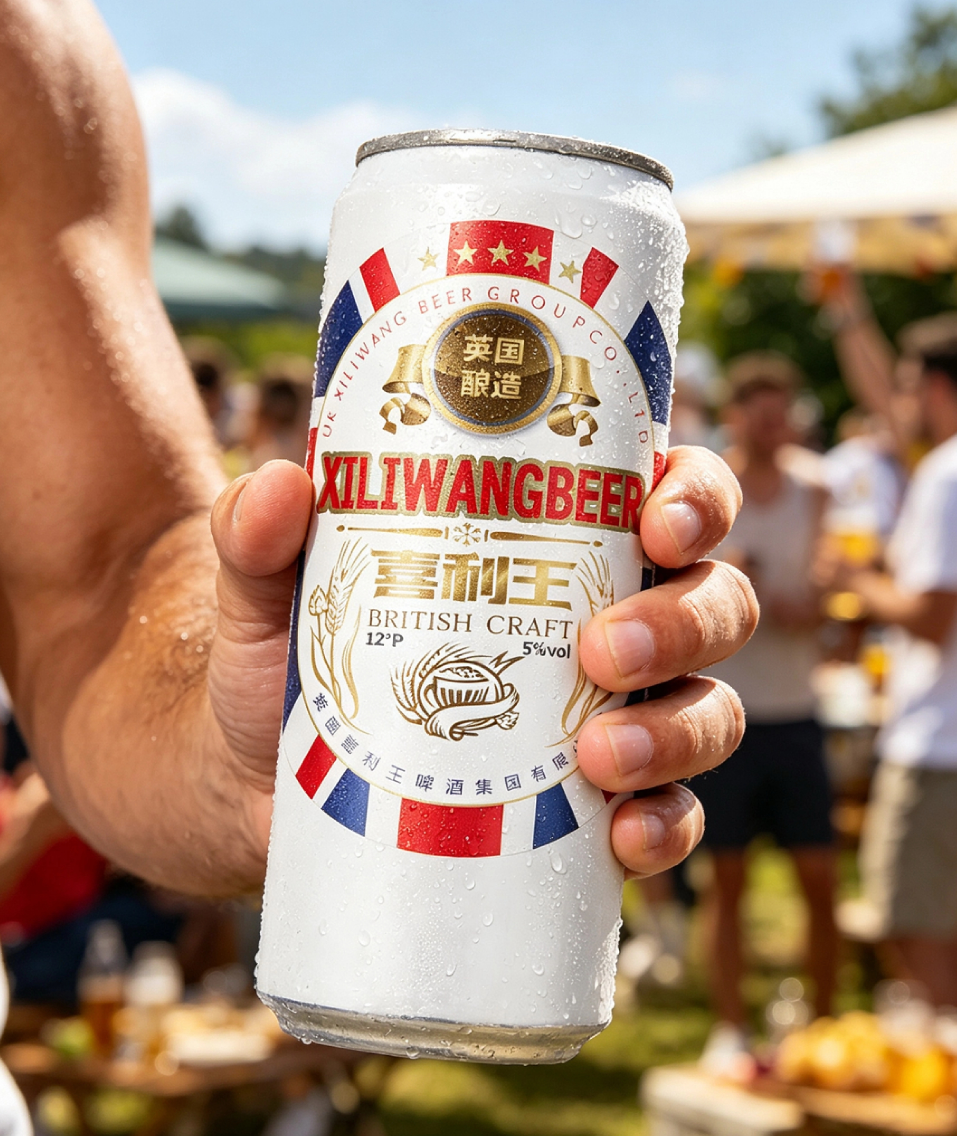
— Xiliwang Beer — product display
05
One thing you can do this week
Go back and look at your product packaging, and ask yourself one question: is this packaging collecting rent for you, or burning money for you? If it sits on the shelf and no one remembers it, it’s burning money; if it makes people recognize it at a glance and drop it in the cart without a second thought, it’s collecting rent.
Think this through before you decide whether to redesign.
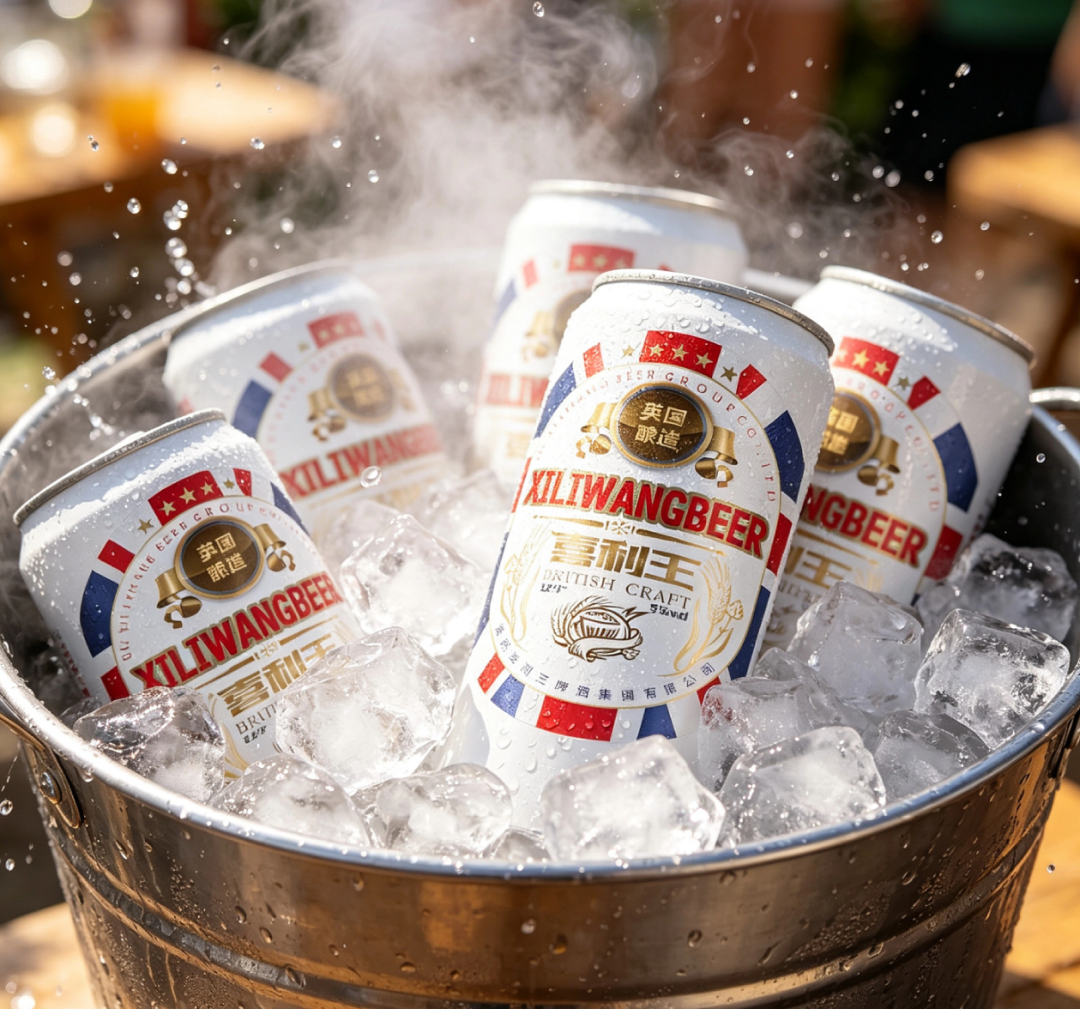
— Xiliwang Beer — English craft packaging detail
(This content is solely a personal opinion, for reference only.)
About This Case: Quick Answers
How exactly does a product get "seen" on the shelf?
Consumers give you only three seconds in front of the shelf. The most reliable approach is to design on two levels: at three meters, color and shape grab attention; at one meter, information and cultural trust signals stop people in their tracks. The root cause of most products not selling isn't that they're bad—it's that the "good" never gets shouted out at three meters.
Can my product use this "the baijiu speaks for itself on the shelf" approach too?
Yes. This logic isn't picky about category—as long as your product stands on the shelf looking much like everyone else's and consumers can't recognize you in three seconds, it works. When it comes to execution, we'll define a new plan based on your category, channel, and price band rather than forcing someone else's face onto yours.
If I hire you for product packaging, how do you usually charge, and how long does it take?
We charge per project, depending on category complexity, the number of series, and whether prototyping and extensions are included. Typically 2–4 weeks: the first week sets direction and positioning, the second week delivers concepts, and the third and fourth weeks deepen, prototype, and finalize. Rush jobs can be compressed, but we recommend leaving time for physical prototyping. Send us your materials for a free diagnosis first, then we'll quote.
We're in another city—can we work together online?
Yes. Many of our projects are remote collaborations: materials coordinated online, concepts reviewed in the cloud, prototypes shipped by courier. There are no geographic limits—we work with clients nationwide.



CommentsBe kind, communicate rationally